

Make Peace with your Memories
peace is a practice of integration, not oppression or segregation

What is peace?
I love consulting a thesaurus in pursuit of greater insight around words like peace.

Here is what my thesaurus more or less equates with peace —
Harmony, quietude, calm, tranquility, stillness, serenity, equanimity,
contentment, ease, bliss, order, concord, goodwill, amity.
These words suggest to me a state of balance in which benefit and compromise are evenly distributed amongst the various parties in play; a state in which all parties have been justly considered, seen, heard, acknowledged and understood; a state in which all parties are regarded and treated as valued and respected contributors to the well-being of the whole. These words brook no oppression or segregation, as is often the case in politically negotiated peace, or a peace which is imposed upon one party by the other. These words suggest to me a peace reached through consideration, understanding, acceptance, and integration.
Interestingly but not surprisingly, there are a host of words in the thesaurus which suggest the all-too-fleeting quality of the other form of ‘peace’—
Ceasefire, respite, truce, armistice, moratorium, lull.
And then there are others which suggest the process by which peace can be reached.
Reconciliation, assimilation, and — my favorite — integration.
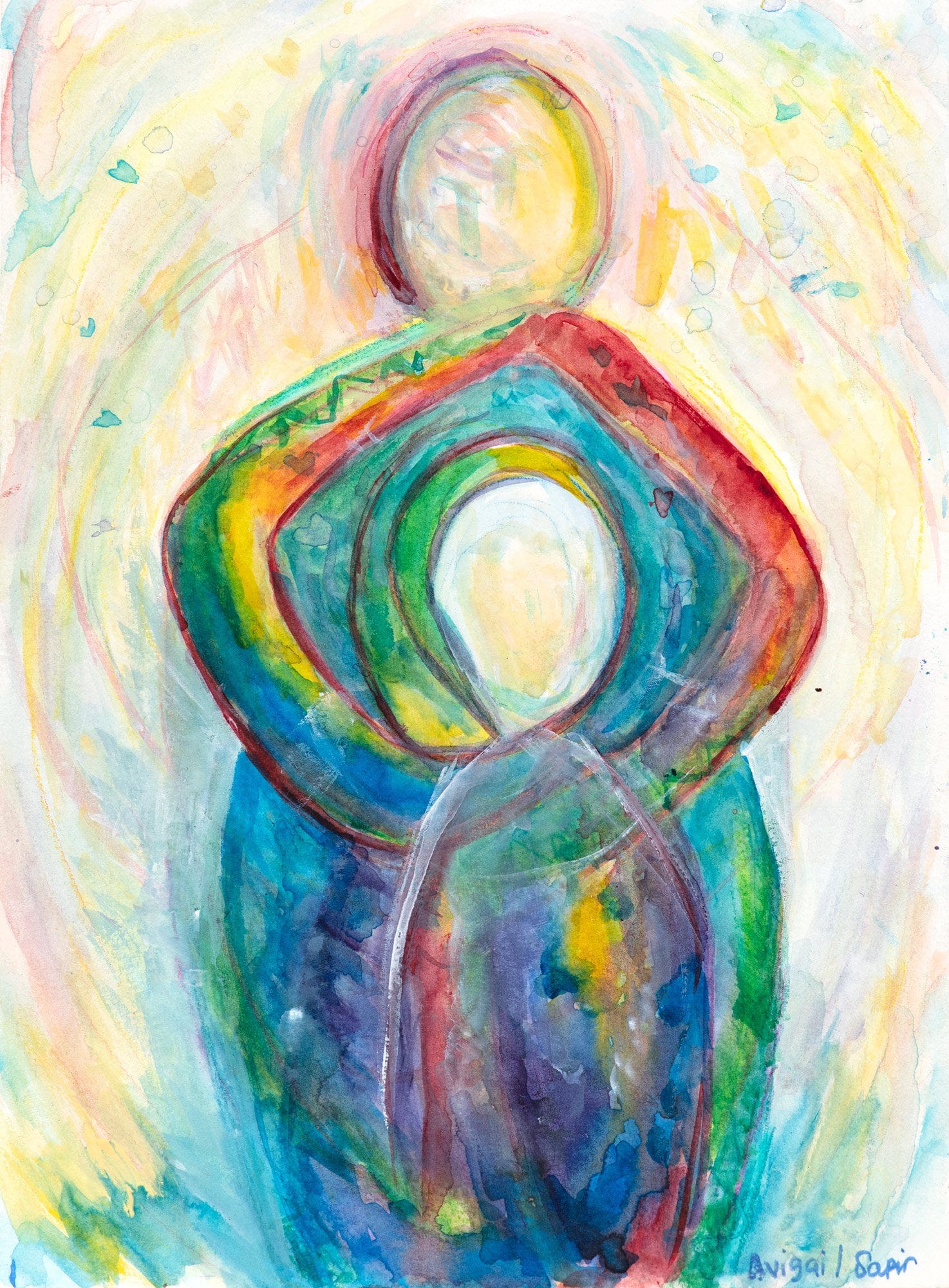
Integration, integral, integrity.
Integration is the combination of two or more parts into a unified whole.
Integral is the acknowledgement of a vital part of an even more vital whole.
Integrity is the state of being whole, entire, undiminished, unimpaired.
What if we were to approach peace — both internal and external — guided by a pursuit of integrity?
Rather than the oppression or suppression of one side in favor of the other — what if we saw every ‘side’ as integral and sought to proactively integrate those ‘sides’ in order to reclaim our integrity as an individual and as a society?
This approach flies in the face of the ‘us vs them’ mentality that keeps us in a state of constant conflict — competing over resources, vilifying one another, and fighting to the death to maintain some twisted sense of individual and collective identity.
This is not peace, nor will this approach EVER lead to more than a temporary standstill in which both sides are merely pausing to catch their breath before attacking one another again.
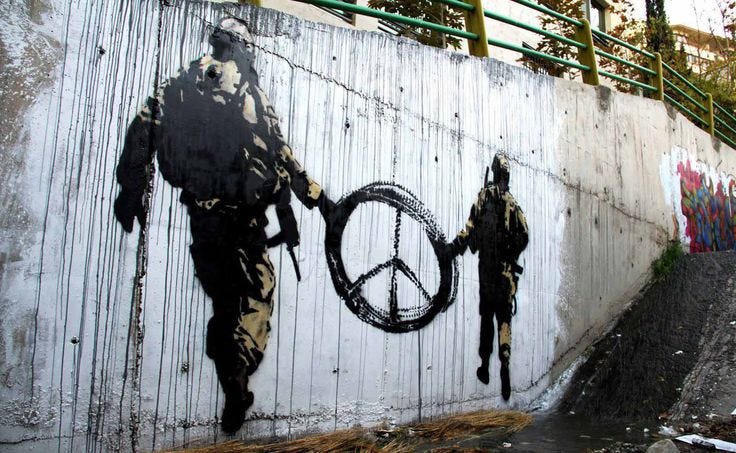
We can see how this unfolds in the ‘outside world.’
Politics
Nationalism
Religion
Gender
Race
Generation
Education
Economic Stature
The hairs continue to be split ever more finely until the only commonality we find is who we agree upon as the greater enemy.
This is not a path to peace.
Rather, it is a path toward domination or annihilation of one side in favor of the other. Few human beings who identify as having a conscience, would admit to wanting such a thing. And yet, here we are.
Why? The conflict we are experiencing externally is nothing more than a reflection of the conflict raging within our own psyche.
Until we can make peace with the various aspects of our own personality — often fractured by painful experiences and our attachment to the associated pain through fraught relationship with their memory — we will remain at war with ourselves. One side of the personality will perpetually seek to dominate, oppress, silence, stifle, even annihilate all other sides which seem to pose a threat to its dominion, or to its very existence.
Early Development of our Identity
We learn early on which aspects of our personality are acceptable and which are not. Our parents, siblings, teachers, religious authorities, peers, culture, and society as a whole tells us how good little girls and good little boys behave. Anything contrary to this prescribed ‘goodness,’ is bad and will lead to rejection, alienation, and ostracization. For a developing psyche which requires the safety of ‘belonging’ more than anything, being ‘bad,’ means flirting with exile. To avoid this fate worse than death, the developing psyche internalizes the messaging of ‘good’ and ‘bad’ and begins to slice and dice the personality into various parts — some of which are acceptable by society, others which must be hidden carefully, if not destroyed.
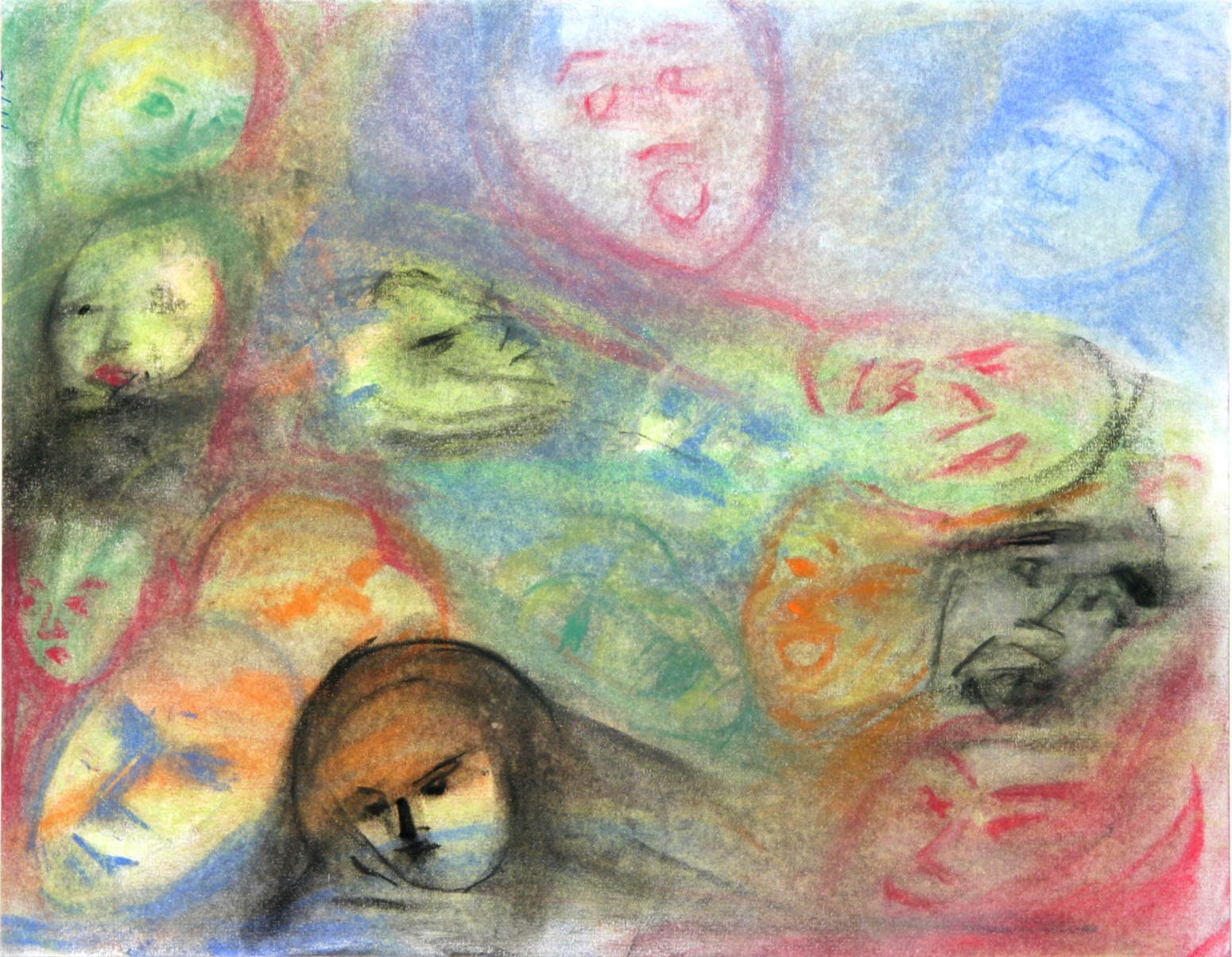
When these ‘sides’ become established enough they begin to wage war on one another, each seeking domination. In extreme cases this can lead to Dissociative Identity Disorder (formerly known as Multiple Personality Disorder), which is little more than the far end of a spectrum that we all exist on. This is not to downplay Dissociative Identity Disorder, which is typically a coping mechanism for severe, repeated childhood trauma or abuse. Rather, it is to suggest that we all hold painful experiences in our memory which have caused us to craft an acceptable ‘good’ identity through a process of segregation. While this internal segregation may initially arise in the interest of survival, it will also keep us in a constant state of conflict and unrest forcing us to become hyper-vigilant, controlling, self-righteous, even cruel to the parts of ourselves — and others — which fall outside the lines of this acceptable identity.
So, what do we do?
If we are genuinely invested in peace — both internally and in the external world — then we resolve to bring ourselves back into integrity. We start the often long and painstaking process of exploring the various parts of our personality, particularly those which we have cut off from the whole, locked up, chained to the bars of the dungeons in our mind. These are often the ghosts that haunt us from the dark corners of our unhealed trauma and suppressed memory. It is very possible this process will require the expert guidance and assistance of a trained therapist. I suggest, from personal experience, that meditation and contemplation can cover a lot of ground, as well.
Regardless, if you endeavor to reintegrate the various components of your psyche, I urge you to do so with patience, compassion, courage, and curiosity. We usually condemn the parts of ourselves that have caused suffering, often undeserved. As such, they are likely still stuck in that loop and deserve to be handled gently.
Seek out and approach the hurting parts of yourself wherever they are hiding in your mind as you might seek out a stray dog with an injury. What you may initially experience as a violent, vicious, hateful creature is — in truth — just hurting. If you can heal that hurt, you may just find you’ve made a friend for life.
Like anything, as a whole we are greater than the sum of our parts. Once we manage to broker a true and lasting peace amongst our various parts, and all of the seemingly separate entities cluttering our identity are woven seamlessly together again, we will find that there is little to nothing which can tear them apart. When we are genuinely free of conflict internally, nothing outside of us has the power to disrupt that peace.
In a state of inner equanimity we can more wisely and powerfully navigate — and perhaps resolve — the conflicts of the outer world. At the very least, we will no longer contribute to them. We will become a beacon of peace; an example of what is possible if we have the courage, the curiosity and the compassion to look beyond our perceived differences, heal the wounds once left to fester, and invite all parties to an equitable seat at the table.
As Pandit Rajmani Tigunait shares in his commentary on Yoga Sūtra 1:11,
'Memories are the building blocks of our personality. Our collective pool of memories constitutes our psyche. Sitting in the background of our conscious awareness, memories influence all our mental activities. To a large extent, they dictate how we perceive, infer, postulate, and comprehend what we study. They also influence our imagination, dreams, and sleep. Anything arising from the depths of our mind is colored by memory. To reach samadhi, we must purify our memory field.'
In other words, to maximize our humanity and experience oneness, we must first make peace with our memories.
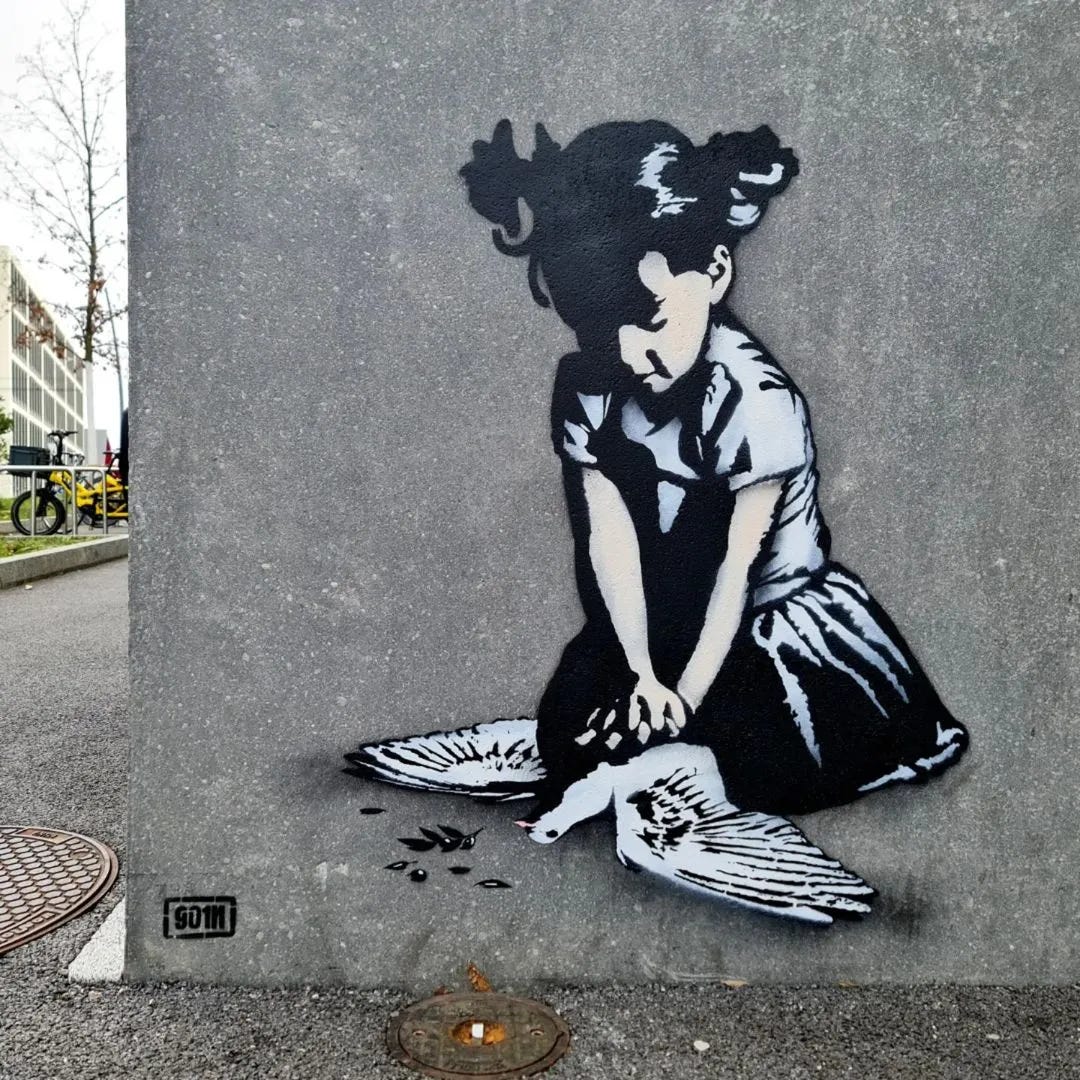
Fly the white flag, my friends. Seek out quiet moments of stillness. Close your eyes, steady your breath, release the tension in your body, and respectfully explore your mind. You will be presented with both painful and beautiful memories, impressions, and the meaning you have assigned to them. It is the meaning, not the actual experience, which contributes to the creation and sustainment of your identity. We can revise the meaning we assigned to our memories in the past with something more conducive for a peaceful present and a freer future.
Heal the hurt, integrate the learning. Grow stronger, wiser, more whole.
One memory at a time.
Join me for a practice this week intended to facilitate this process —